If you manage a building for more than a month, you learn two truths. First, air behaves like a mischievous tenant, slipping into every gap and dragging dust, spores, and office gossip along for the ride. Second, you do not really notice ductwork until it underperforms, and by then the complaints have names attached. The quiet solution is a routine for commercial duct cleaning that respects how buildings actually operate, season by season, budget cycle by budget cycle. The trick is less about a single cleaning date, more about an informed timeline, with checkpoints and decision gates that keep your indoor air honest and your energy bills from spiking.
This is that timeline, built from years of walking mechanical rooms before sunrise, catching filter changeouts between delivery trucks, and learning which vendors actually bring access doors instead of excuses.
Why the calendar matters more than the coil brush
Dirty ductwork does not shout. It whispers through rising static pressure, musty conference rooms after a rainy week, and VAV boxes that take a beat too long to respond. You see it in data before the occupants feel it. Static pressure that used to sit at 1.2 inches of water column creeps to 1.5. Fan speeds drift up to meet airflow setpoints. Filters load faster. Energy use curves stop tapering at night. The annual fire drill draws more coughs than usual. None of these proves the ducts need attention on their own, but together they spell a story.
If you wait for visible dust at diffusers, you are past due. If you clean by date without reading the building, you might spend money for bragging rights and little else. A timeline that blends inspection cadence, trigger thresholds, and occupant scheduling keeps you out of both traps.
How ducts actually get dirty
Duct contamination is not just dirt getting adventurous. Think sources. Construction dust that sneaks past temporary barriers. Fiberglass shedding from old liners. Outdoor air intakes that face a loading dock. Pollen bursts in spring. Kitchen exhaust that was designed optimistically. Even the best filtration systems have limits, and most systems inherit at least one dubious decision from a prior renovation.
Air handlers shed their own debris too. Belt dust, loose mastic, and corrosion flakes feed the downstream. Condensate carryover on an overworked coil slings damp into supply trunks, where microbial growth finds a friendly climate. If your facility runs variable volume, low-flow conditions can let settled dust accumulate in branches while the main trunks look fine. Specialty use areas add drama. Labs, clinics, athletic spaces, and high-traffic retail import their own quirks and contaminants.
All of this builds slowly until you either measure it or feel it. A smart timeline treats contamination like a chronic condition to be managed, not a one-time villain to be vanquished.
The backbone: inspection first, cleaning when the data says so
A reliable duct cleaning schedule grows from inspection milestones. Set them in stone, then let cleaning dates flex around what you learn.
- Quarterly snapshots: You do not need to tear down duct sections every quarter, but you should pull filter history, log differential pressures across coils and fans, and visually check the first accessible supply trunk downstream of the AHU. Open two or three representative access points, not just the one that is easy. A smartphone flashlight and a borescope tell you what you need in five minutes. Semiannual IAQ checks: Twice a year, run a brief indoor air quality sweep. Measure CO2 in high-density areas during occupied peaks, compare to ventilation expectations, and add a quick PM2.5 or PM10 reading in a few return locations. If particle counts have doubled year over year while filter specs have not changed, dig deeper. Annual deep inspection: Once a year, schedule a real look. Borescope imagery, surface dust sampling if you have elevated complaints, and coil inspection that goes beyond a cursory glance. Take photos and label them by location, date, and distance from the AHU. If microbial growth appears, note moisture sources before anyone rushes in with biocide.
Cleaning comes from what you find, plus occupant feedback and energy use. A baseline range for most office or mixed-use commercial buildings is every 3 to 5 years for full duct cleaning, with coil and drain maintenance annually. Facilities near industrial zones, heavy traffic corridors, or wildfire-prone regions often land closer to 2 to 3 years, sometimes sooner after a major smoke event. Healthcare and food facilities follow their own standards and should tie duct cleaning to those, not a generic interval.
A month-by-month playbook you can defend in a budget meeting
Every facility marches to a different fiscal drum, so think in terms of sequences rather than fixed dates. The table below sketches a conservative cadence for a typical mid-rise office or mixed-use property with two main AHUs, VAV distribution, and a maintenance team that can spare four hours per month to support inspections. Shift months to align with your fiscal year and occupancy patterns.
| Month | Major actions | Notes you will thank yourself for later | | --- | --- | --- | | January | Post-holiday IAQ check, coil and filter review, baseline photos of supply trunks | Low occupancy periods help. Document any humidifier adjustments and watch for condensate issues. | | February | Vendor prequalification for commercial duct cleaning, gather past performance data | Ask for NADCA membership and ACR familiarity. Request sample reports with photos. | | March | RFP out for spring or summer cleaning, daytime walkthroughs | Get access constraints in writing. Identify after-hours needs and any site-specific safety training. | | April | Spring pollen watch, increased filter checks, finalize scope | If particle counts jump, consider pre-clean coil service even before ducts. | | May | Coil cleaning and drain pan service, seal gaps at access doors | Pan overflows cause 80 percent of your microbial complaints. Fix slopes and clean traps. | | June | First cleaning window for low-traffic floors, coordinate tenant comms | Friday night starts with a Saturday buffer limit surprises. | | July | Mid-season review of energy use vs. Last year, static pressure trending | If fans are working 5 to 10 percent harder, confirm damper positions and obstructions. | | August | Second cleaning window, focus on returns and branch lines to problem zones | Returns carry the memory of every popcorn lunch. Prioritize them. | | September | Back-to-work IAQ check, confirm diffuser cleanliness, touch up insulation | Re-wrap or seal any friable liner. Replace with closed-cell where feasible. | | October | Annual deep inspection for remaining systems, plan winter work | Update your photo library and draft next year’s budget lines with evidence. | | November | Contract renewals, vendor debriefs with scorecards, close submittals | Ask vendors what made your job harder. You will get gold. | | December | Year-end summary, trend lines, and capital planning for access upgrades | Access doors pay back fast. Put them in the capital plan with photos of tight spots. |
You will notice cleaning shows up in windows, not as a single heroic weekend. In multi-tenant buildings, phasing keeps peace and contains surprises. And you always pair duct cleaning with coil and drain maintenance, because blasting dust from ducts while a slimy coil waits upstream accomplishes nothing but moving problems around.
Triggers that should move a cleaning date sooner
Running a timeline is one thing. Knowing when to break it is the craft. These red flags earn their own line item, not a sticky note.
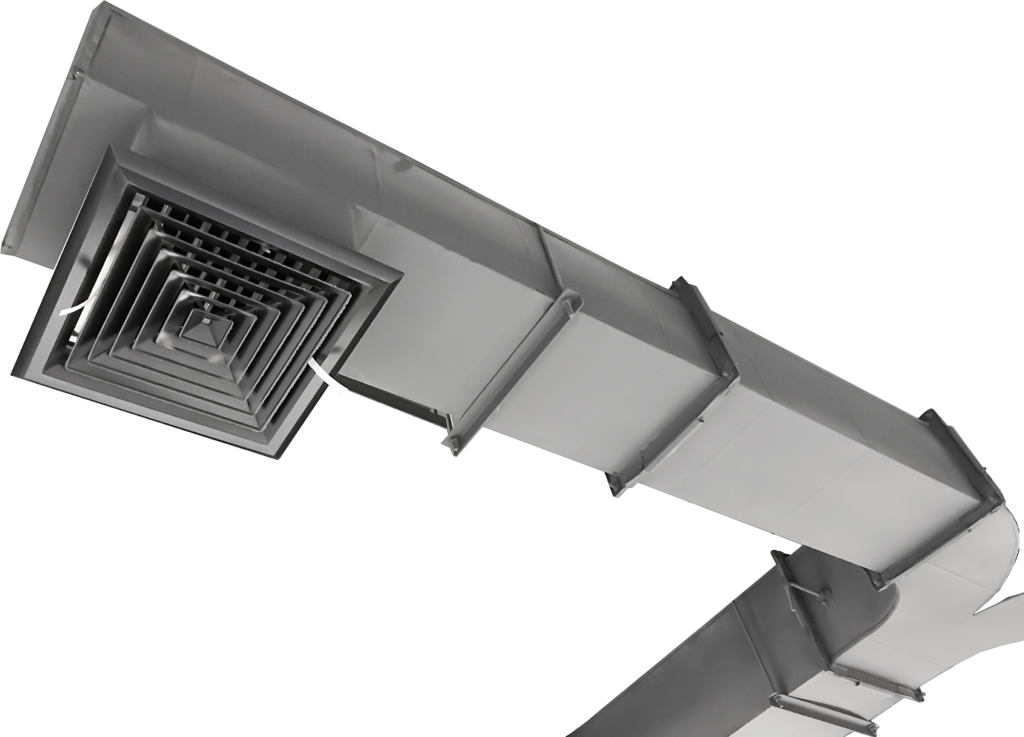
- A spike in differential pressure across the supply fan or coil that holds for two consecutive weeks with no change in setpoints or occupancy. Visible microbial growth on interior insulation or diffusers in multiple areas, especially after coil carryover incidents or humidifier misadventures. Construction or renovation nearby that generated dust despite barriers. If your intake faced it, assume your returns shared in the festivities. Persistent occupant complaints about odors or stuffiness in the same zones after you have ruled out controls, setpoints, and obvious ventilation shortfalls. Post-wildfire smoke infiltration, even if the smoke never got thick indoors. Soot adheres where you least expect it.
Choosing the right scope, not just the right vendor
Commercial duct cleaning can mean very different things. I have seen quotes that promise to “clean ducts” with no mention of access creation, coil cleaning, drain work, terminal box interiors, or supply boots above ceilings. Some crews shine at large trunk systems but never open a VAV box. Others are surgical at terminals and worthless around big AHUs. Define scope by system boundaries, not house language.
For a full-system cleaning on a typical floor, expect to include supply trunks and branches, returns, diffusers and grilles, interior of VAV boxes if they are dirty, and the air handling unit interior including coil faces and drain pans. Specify that access doors must be installed where needed and left in place with gaskets rated for the pressure class. Call out negative pressure collection with HEPA filtration and proof of equipment maintenance. If anyone suggests leaf blowers, end the call.
Ask how they will protect fire and smoke dampers. Require before and after photos with location references, not just glamour shots of one shiny section. If sealing or liner repair is necessary, split that into a change order with documented need, not a surprise line on the invoice.
How long it takes and how to live through it
Cleaning speed depends on access and complexity. A seasoned crew working a typical 20,000 to 30,000 square foot office floor might need one to two nights for thorough work when access is good. An AHU interior with proper drains can be done in half a shift if coil fouling is light. Add more time if you have electrostatic filters, specialty dampers, or a forest of tightly packed piping around the unit.
Noise and disruption tend to be the real enemies. If ceilings are open, you can coordinate. If you have a hard lid with tiny access points, brace for longer nights and more ceiling touch-ups. Post signage at entrances so the building does not wake up to shop-vac serenades. Tenants accept short-term inconvenience when they know the plan and end time. They revolt when a surprise vacuum shows up in the boardroom at 7:58 a.m.
Day-of cleaning checklist to keep the wheels on
- Confirm lockout and tag for fan systems if work requires entry into moving equipment zones. Verify negative air machines are venting outdoors or through HEPA, and that filters are seated and dated. Walk the floor plan with the crew lead, mark no-go areas, and confirm access above critical rooms. Photograph pre-work conditions at diffusers, VAV boxes, and AHU interiors with timestamps. Stage replacement ceiling tiles, gaskets, and sealants so patchwork does not become a scavenger hunt at 2 a.m.
After the trucks leave: proving it worked
Good duct cleaning feels oddly anticlimactic. The space does not suddenly smell like a pine forest, nor should it. You will know it took hold in other ways. Diffusers stop sporting dark halos. Return grilles lose their lint beards. Static pressure eases a notch. Most satisfaction comes from documentation. Expect a report with a system map, photo pairs, and a narrative of any access created or repaired materials. If microbial growth was addressed, it should identify moisture sources and how those were mitigated, not just that something got sprayed.
For verification, use simple, reproducible checks. Take static pressure and airflow readings at the same setpoints you used before. Compare energy use in similar weather windows. Re-run your PM2.5 snapshot in the same return locations. You are not writing a journal article, you are proving a pattern.
If the results disappoint, retrace your steps. I once chased a persistent musty note for weeks after a textbook cleaning before discovering a bypassed outside air damper that had jammed at 5 percent, starving a heavily occupied training room. Ducts were clean, ventilation was not. The building does not care which contractor you called if the root cause sits in controls or overlooked dampers.
Budgets, access, and the politics of dust
Duct cleaning has a reputation as a discretionary spend. Some executives treat it like oil changes, the first thing to cut until something breaks. You can make your case with numbers, not panic. If your fans are up 8 percent in speed to hold CFM compared to last spring, and your kWh chart shows the bump, that is not aesthetics. If your filter life dropped from three months to six weeks, the dust is not hypothetical. If the remedial work on a coil pan stops the drain overflows that drove tenant complaints, the ROI includes peace.
The easiest long-term win is better access. Budget for access doors with gaskets on long trunk runs and at sensible intervals near elbows and branches. Necking down static taps and investing in labeled sample Learn more here ports turns every quarterly check from a guess into a quick reading. Seal edges where old liner frays and shed. These are small capital line items that shorten the next cleaning window and make it cheaper. Vendors work faster in a duct system that invites a professional rather than traps them.
Building types and their quirks
Not all buildings should follow the same beat. Here is how the timeline bends for common archetypes.
Office and mixed use: The 3 to 5 year full cleaning window works if your filters match your outdoor conditions and your intakes are not playing patty-cake with a loading dock. Prioritize returns during any tenant improvement churn, especially if trades opened ceilings.
Healthcare clinics and surgery centers: You are in a different rulebook. Use your applicable standards for air changes and cleaning scope, and tie duct cleaning to verified cleanliness levels around surgery schedules. Terminal HEPA units need their own maintenance arc. Document everything.
Education: Gyms, labs, art rooms, and cafeterias behave like small industrial zones. Time cleaning after summer construction and before fall occupancy. Returns near gyms tell stories you do not want in your main trunks.
Retail and grocery: Entrances cycle constantly, outdoor air loads swing with door traffic, and refrigeration cases shed heat. Filters pull their weight, so watch filter velocity and pressure drop closely. Clean more often in stores near heavy roads, and around bakery or rotisserie exhaust encroachments.
Industrial and warehouse: Forklifts and dock doors mean fine dust and combustion byproducts. Watch returns near docks and perform coil cleaning more often, sometimes twice a year. Duct cleaning may land on a 1 to 3 year cycle depending on activity.
The wildfire problem and other outdoor surprises
If you manage buildings in regions that see wildfire smoke, rework your summer. When AQI spikes over a sustained period, even buildings with decent filtration take on extra particle load. Plan a post-season coil and return-side cleaning, and check any economizer dampers that were overridden. Ash can settle in outside air plenums and find its way to liners. Do not forget the roof. Intakes get sticky and need a physical wipe before the next rain turns residue into streaks that clog screens.
Pollen surges deserve respect too. If you have cottonwood or similar nearby, pre-season checks keep filters from face-loading so quickly that bypass begins at the edges. I have changed filters twice as fast for a single six-week window, then returned to normal. That trade beats fighting dust in the ducts for the next year.
Construction dust, the recurring villain
The fastest way to lose the duct cleaning game is to run the system during renovation without robust protection. Temporary filters help, but they are not a shield for drywall sanding or sawdust. If the AHU must run for temperature control, use staged filtration at the return grilles in the work area, maintain negative pressure where feasible, and commit to an immediate post-construction cleaning of affected branches and returns. Document boundaries so the project budget, not your OPEX, carries it.
Myths that make buildings wheeze
You will hear a few greatest hits at every budgeting table.
“Duct cleaning will solve all odor problems.” It will not. Odors often come from drains, carpet, or lack of ventilation. Dirty ducts can make smells linger, they rarely create them.
“If the diffusers look clean, the ducts are fine.” Diffusers are the last and most visible inch. Main trunks can be filthy while the visible parts sparkle.
“Biocides fix mold.” They might sanitize today and hide tomorrow’s moisture problem. Fix condensate carryover, pan slope, insulation gaps, and the source dries up.
“Do it all at once, it is cheaper.” Sometimes, but phasing often wins. Crew fatigue is real. Quality dips at 3 a.m. On night three. Staggered work with a QA check between phases prevents rework.
A simple way to predict the next cleaning window
Tie your next full cleaning date to three trend lines:
- Fan or pump energy to maintain airflow at standard setpoints. Filter lifespan and average pressure drop at changeout. IAQ and occupant feedback trends in high-density zones.
If two of the three are moving the wrong way despite good filtration and routine coil service, start scoping the next commercial duct cleaning. If only one is drifting, fix the local cause first. A VAV box with a stuck damper can mimic global duct issues. So can a few return grilles caked with lint in an office that loves space heaters and scented plug-ins.
Documentation that earns you budget next year
Save and label everything. Create a shared folder that holds:
- A system map with access points marked, updated after every project. Annual photo sets of representative sections, same angles each year. Filter change logs with pressure drop notes and dates. Energy snapshots for fans and chillers during shoulder seasons. Vendor reports with page numbers tied to your plan, not their internal codes.
With that package, your request for next year’s access door upgrades or a mid-cycle cleaning is not a plea, it is a professional recommendation with evidence. Executives listen to trend lines and risk reduction more than adjectives.
What a good vendor conversation sounds like
If your first talk with a vendor is about price per square foot, you are already in the ditch. Start with your goals and constraints. “We need to bring static back under 1.3 inches, stop the recurring musty complaints in the southeast corner, and not break the CFO’s calendar during quarter close.” A good vendor asks for drawings, photos, and a walkthrough at peak occupancy. They describe how they contain debris, protect dampers, and prove results without turning the ceiling into Swiss cheese. They respect that your best work is invisible on Monday morning.
If a vendor dismisses the need for access creation or says they can clean through grilles alone, your building deserves better.
The quiet payoff
A facility with a thoughtful timeline for duct cleaning feels steady. Tenants think you did something magical, but the magic was scheduling and listening. You budgeted for access so inspections took minutes, not meetings. You leaned on particle counts and static trends rather than legends and hunches. You cleaned when the data voted yes, not because the calendar nagged you. You bundled work with coil service and drains so you did not vacuum one problem into another. And you left behind a tidy archive that makes next year’s decisions almost boring.
Boring is good. In property management, boring often means profitable. It also means you get fewer emails about the conference room that smells like wet cardboard right before the board meets. Take the win.
A closing lap around the timeline
Set a quarterly cadence for quick checks, a semiannual beat for IAQ snapshots, and an annual deep look with photos. Shape cleaning windows around occupancy and evidence. Adjust for wildfires, construction, and the quirks of your building type. Invest in access like it is a tool, because it is. Choose vendors who talk scope and verification before price. Treat commercial duct cleaning as a lever within a broader airflow strategy. When you do, your ducts stop being an embarrassment and start being part of your building’s quiet competence.
If you need a north star, keep it simple: less guessing, more measuring. The air will repay you in fewer complaints, happier coils, and fans that do not have to age in dog years.