Commercial duct cleaning looks simple from the lobby: people show up with hoses, a few mysterious metal boxes hum in the background, and the building smells a little like a shop vacuum for a day. Under the ceiling tiles, though, it is closer to a choreographed job site than a housekeeping errand. If you know what is coming, you can keep operations smooth, protect your equipment, and get a result you can actually feel in airflow and energy bills.
I have walked enough rooftops and crawled enough ceiling spaces to know that every building is its own little personality test. The basics rarely change, but the way you prepare and the questions you ask will determine whether you get a top tier cleaning or a very expensive game of duct tag. Here is a grounded look at how a proper job unfolds, the trade offs to consider, and what a seasoned crew will do without you having to ask.
The pregame: scoping, plans, and expectations
The most important work happens before a single screw is turned. A reputable provider will ask for mechanical drawings or at least an air balance report. They will want to know the number of air handling units, where they are located, the ceiling heights, and whether you have lined or unlined duct. Lined duct, which has internal insulation, cleans differently than bare metal. They will also ask about sensitive areas, for example data closets, pharmacy spaces, labs, or open kitchens. If someone quotes sight unseen, you are rolling dice with your schedule.
A walk through is not a formality. Expect a tech to pop ceiling tiles, note fire damper locations, measure access points, and trace the main trunks. Rooftop units complicate things, especially when there is no hoist or the ladders require a fall arrest plan. The crew will check for safe power, loading dock access, elevator dimensions for equipment, and where they can stage negative air machines without creating tripping hazards.
If you run a 24 hour facility, tell them. Crews can phase work by zone after hours, but they need a map of when each area can go off line and when it must come back up. The best companies build a sequencing plan that shows which air handler or zone is down at which hour, with contact names for each area. That plan is gold when someone calls at 2 a.m. Wondering why their office is warm.
Standards that actually matter on site
People love to throw around acronyms. NADCA is the common one for duct cleaning, and it sets a reasonable baseline for procedures and training. The presence of a NADCA ASCS on the job does not clean your ducts, but it does indicate that someone has studied how to maintain negative pressure in systems, how to protect coils and insulation, and how to verify results with visual inspection criteria. OSHA shows up in the conversation too, largely around ladders, silica dust, respirators, and lockout tagout when fans get serviced.
Negative pressure is the real hero. The crew should set up a capture device that pulls air from the duct, through HEPA filtration, and out of the workspace. That negative pull makes sure the stuff they dislodge does not drift into occupied space like a cheap magic trick. If you see dust drifting into the room, something is off with containment.
Day of service: arrivals, briefings, and temporary chaos
On start day, the crew should arrive with more than brooms and bravado. Look for labeled hoses, clean containment, a portable power plan, and a quick safety briefing. Good crews assign clear roles so that one person is not balancing on a ladder while answering procurement questions. They will also post polite but clear signage at the entrances to affected zones. No, your tenants are not going to read them. Yes, they will help you win the inevitable hallway debate.
Someone will ask whether the HVAC must be shut down. The short answer is often yes for the zone they are cleaning. Running a supply fan while technicians are brushing inside a duct is like vacuuming with the bag open. The more nuanced answer is that the facility team and the cleaning crew will cycle or isolate fans as needed. You will see them use existing dampers and sometimes inflatable bladders to isolate sections so they can maintain control of airflow.

If you have a building automation system, expect the crew to coordinate with your controls contractor to disable static pressure alarms and fan auto restarts that might fight their negative air machines. A few minutes of coordination saves a night of nuisance alarms.
A short, blunt prep checklist for facility managers
- Confirm access: mechanical rooms unlocked, roof hatches reachable, and elevator time reserved. Clear paths: 3 to 4 feet along walls with diffusers and returns, plus space around air handlers. Protect what you love: cover or relocate sensitive equipment, art, food prep tools, or open product. Communicate outages: note when zones can be noisy or offline, and who to call if plans change. Set expectations: confirm reporting format, photos required, and any post cleaning testing.
The gear parade: what those machines do
You will see negative air machines, which look like mini jet engines on wheels with large hoses that connect to the duct. They create the vacuum and run air through HEPA filters. The size and number of these machines depends on duct dimensions and how many branches they are tackling at once.
Agitation tools range from rotary brushes to air whips and skipper balls. Rotary brushes are the crowd favorite for large, relatively clean rectangular duct. Air whips work well in round duct and in tight bends. For lined duct, especially old glued fiberglass, gentle is the rule. You want to dislodge dust, not peel the liner like a sticker. Compressed air is common, but the crew should have silencers if they are working near occupied areas. Plan for bursts of noise that sound like a tire shop met a leaf blower.
Cameras are no longer optional. Crews thread compact video scopes to document the condition before and after. Thermal cameras sometimes appear if there are suspected hot spots around heat exchangers or if insulation failure is on the menu, but that is more specialty work during a full HVAC hygiene assessment.
You might also see mastic, access doors, and metal patches. Access doors go in when there is literally no way to reach a stretch of duct for cleaning or inspection. A professional will install UL listed doors that match the duct construction. Mastic or foil backed tape rated for ducts closes any holes they cut. Random holes with sheet metal screws and duct tape are not an accepted style.
A five step walkthrough of the actual cleaning
- Isolate and pressurize: The crew blocks off the section of duct they will clean, often using inflatable plugs or dampers, then connects the negative air machine so the airflow is always pulling back into filtration. Open and inspect: They create or use existing access points, take baseline photos, and note issues like collapsed flex duct, broken hangers, or microbial growth on insulation. Agitate and advance: Tools travel from the furthest branch back toward the negative air hose. Brushes and air whips sweep dust and debris into the airstream. If there is heavy debris, they may pause to hand vacuum piles so nothing clogs the hose. Protect and shield: Coils, reheat boxes, and sensors get covered so they do not take debris blasts. Fire dampers are checked for free movement but should not be blocked open for the crew’s convenience. Verify and close: They re scope the runs, take after photos, seal access, label doors for future service, and remove isolation devices. A supervisor should walk the route to confirm clean seals and that everything they touched works.
Work hours and realistic timelines
For small offices with a single air handler and a couple of main trunks, crews can wrap in a night or two. A 100,000 square foot building with eight to ten roof units will push a week, sometimes two if the duct is a maze or the ceilings are eleven feet and higher. Hospitals, food processing, and schools extend timelines because they require strict isolation, additional PPE, and more off hours work to avoid patient or product exposure.
Shifts matter. Night work costs more, largely because of labor differentials and logistics like security escorts and limited elevator access. On the plus side, night work moves faster inside tenant spaces because fewer people are brushing elbows with lift operators. If you split shifts, plan for warm up and cool down time on each end, not just the tools but also the paperwork and space protection. Two efficient eight hour windows often beat one rushed twelve.
What you will hear, smell, and notice
Cleaning a large duct system is not whisper quiet. Expect intermittent roars from negative air machines and staccato bursts from compressed air tools. Think car wash meets airfield, in short chapters. If you have noise sensitive zones, the crew can front load those branches earlier in the evening.
Most crews use no fragrances. You might catch a faint metallic or dusty smell during and just after service, especially near returns. If you smell harsh solvents, ask why. Degreasers are used in kitchen exhaust cleaning, which is a different discipline with fire code implications. They seldom belong in supply or return duct.
In the days after, airflow may feel more even. Hot spots cool off, and the system can hold setpoints with fewer complaints. I have watched static pressure drop by 0.2 to 0.4 inches of water column on grimed up systems after a full cleaning, which takes stress off fans and variable frequency drives. Energy savings is not guaranteed, but the mechanical pieces breathe easier.
What techs document while inside your ductwork
Debris tells a story. A layer of fine gray dust points to typical accumulation from people, paper, textiles, and city air. A brittle, tan fuzz often flags deteriorating duct liner. Chunks of insulation or tape might mean someone abused access doors during past service. Fasteners on the floor of Advanced Environmental Service the duct, like self tappers and pop rivet heads, explain clanking noises and sometimes punctures downstream.
Growth is the conversation everyone wants to have without saying the M word. Surface discoloration on insulation does not always mean mold. Qualified crews will note moisture sources like sweating cooling coils, missing insulation on supply plenums, or leaky humidifiers. If growth is suspected, they will recommend further assessment and, if needed, remediation under containment, not just a wishful wipe down.
I once opened a return drop in a retail space and found an entire nest of price tags, receipts, and two dried-up stress balls. They were not breeding, but the felt dust from those tags had glued itself to the liner like frosting. The fix was measured: careful brushing, vacuum capture, and a small section of liner replacement where the binder gave up. No fogging, no scare tactics.
The mess question, asked plainly
Done right, a commercial duct cleaning job does not coat your building in dust. Containment at each register, return, and access point keeps debris heading toward the negative air machine. Crews should lay down runners, use sticky mats, and close ceiling tiles as they go. They will vacuum around each register and wipe down surrounding surfaces they touched.
What about the rooftop or mechanical rooms? Expect them to leave the place better than they found it. That includes magnet sweeping for stray screws and disposing of contaminated filters or bagged debris. If they leave a trail of duct liner confetti up the stairs, you have a new contractor vetting criterion.
Access panels: where they go, why they matter
Access panels are not a money grab, they are the only way to reach certain angles and long straight runs. A good installer places them on the side of the duct, never the bottom where condensation or dirt can sit against the gasket. Doors should be insulated to match the duct and rated for pressure. Each one should be labeled discreetly so the next team knows what is behind it. Most respectable companies warrant their door seals for at least a year. Ask anyway and put it in the work order.
Sometimes you do not need a panel at all. If there is a union or a slip joint already in place, they can separate it and reach both directions. But in tight mechanical chases where the sheet metal runs like a subway line behind walls, access doors keep you from guessing.
How the work affects operations across different facilities
Offices usually tolerate noise and localized access restrictions. Retail needs the crew to tiptoe around merchandising and to hide hoses so customers do not audition for a lawsuit. Schools and daycares care about early morning readiness. You will want final filters changed and spaces reset before the first bell, not at homeroom.
Healthcare adds layers. HEPA filtration is non negotiable, and negative air must be validated when working near patient areas. Pharmacy and sterile processing spaces typically require a dedicated plan signed off by infection control. Your contractor should not be learning these words in the parking lot.
Restaurants are a crossover case. Kitchen exhaust is a separate scope with its own fire code and cleaning schedule. Supply and return duct in dining rooms can be cleaned during off hours, but you must protect finishes. Grease stays in the kitchen hood. If someone offers to fog your dining room supply duct with a mystery lemon sanitizer, ask for an SDS and watch the story wobble.
What it costs and why the numbers move
Pricing varies by region, building type, and how your system is built. For straightforward office buildings, you might see ranges like 0.30 to 0.60 dollars per square foot of serviced area, or line item pricing per air handling unit and main trunk with branches included. Complexities raise the number. Lined duct takes more care. Twelve foot ceilings with limited ladder access add labor time. Roof units with no hatch mean more rigging and more people to carry equipment.
Expect mobilization charges if your site is far from the contractor’s base, and premium rates for overnight or weekend work. If access doors are required, they are often billed per door with the material and time called out. The cheapest number is not always the honest one. I have seen bids that assume every register sprays fairy dust into a waiting HEPA hose in a straight shot. Real life bends, sags, and hides behind tenant improvements.
If a contractor promises energy savings of 20 percent without looking at your fans, coils, and controls, ask how they measured that. A well executed cleaning can help the system regain lost efficiency and balance, but the HVAC world does not hand out miracle coupons.
Deliverables you should insist on
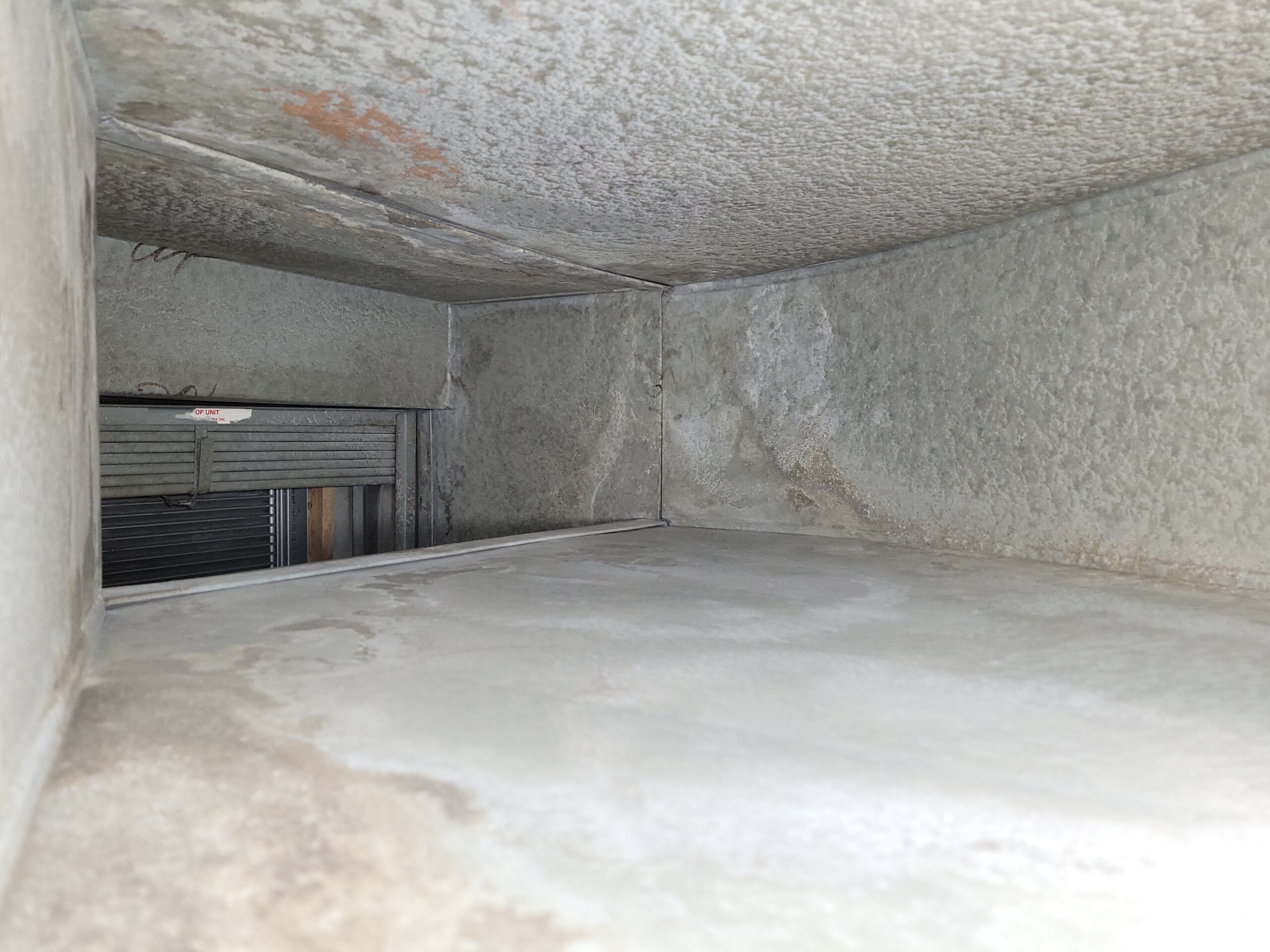
Before and after photos are the bare minimum. Ask for time stamps and location references that tie back to a simple map or a list: AHU 3, east branch, 30 feet from riser. Crews who document well tend to work well. You should also receive a short summary noting issues found and repairs recommended. This can include loose or missing access panels, rusted sections, damaged flex duct, open penetrations where cabling sneaked in, and any fire damper that did not release or reseat properly.
Some clients like particle counts or surface sampling. These can be helpful in specific contexts, but they are not a universal scorecard. Particle counts vary wildly with foot traffic, outdoor air, and time of day. Visual verification and settled dust observations inside the duct are the reliable standard for this type of work.
Filters matter, too. If you are running MERV 8 prefilters and MERV 13 finals, plan to replace at least the prefilters after cleaning. It is cheap insurance. If the crew cleaned coils or plenums as part of the scope, airflow and static readings before and after give you a clear picture of improvement.
How often you should schedule cleaning
There is no single clock. Light commercial offices often run three to five years between full cleanings, assuming regular filter changes and decent housekeeping. Retail with frequent renovations and high lint loads leans closer to two to three years. Facilities with processes that shed particles, like woodworking or textile handling, may need targeted return cleaning annually.
Duct cleaning is not a substitute for coil cleaning, which should be its own maintenance line. Clean coils transfer heat more efficiently and prevent condensation problems that feed microbial growth. If you have UV lights across coils, they help maintain cleanliness but do not reach into long horizontal runs. Think of duct cleaning and coil cleaning as cousins that do their best work together.
Watch for symptoms. Uneven airflow, repeated hot or cold complaints in a zone that used to behave, or visible dust accumulations at returns can justify an inspection. If you change a filter and it looks like a shag rug after four weeks, you have an upstream problem worth solving.
Red flags when vetting a contractor
Ask for proof of insurance, safety training, and at least one recent project of similar size and type. The person who sold you the job does not have to swing the brush, but someone on site should be certified and accountable.
Be wary of fog and forget pitches. If the plan leans heavily on spraying a biocide through the system without mechanical cleaning, you are paying for perfume. Sprays can be appropriate on certain materials after cleaning and drying, but they are the finish, not the fix.
Look at their tools. Clean, maintained equipment signals pride and competency. A crew with one tired shop vac, a bucket of optimism, and no containment is about to turn your building into a snow globe. Also listen to how they talk about fire dampers. If they plan to prop them open with tape, that is not someone you want near code required life safety devices.
Common myths worth retiring
You do not always need commercial duct cleaning after a tenant change. If the prior user did not generate unusual contaminants and the filters and coils are clean, an inspection might be enough.
You cannot fix bad airflow design with a cleaning. If a branch was undersized since the Clinton administration, shiny clean walls will not make the numbers sing. Proper balancing and sometimes sheet metal changes are the answer.
If you have odors, cleaning might help, but you should also chase the source. Dry traps, pest issues, and off gassing from new finishes steal more headlines than dusty ducts ever will.
A quick story about doing it right
A logistics center called after their picking floor started complaining about heat in the afternoons. Filters were on time, and the air handlers were in good shape. We scoped the return duct and found a modest blanket of dust, nothing colorful. The big find was upstream: flex branches had been crushed during a racking reconfiguration. The duct cleaning paid for itself by forcing the inspection that found smashed branches. We cleaned the return runs, replaced two sad lengths of flex, and documented airflows after balancing. Complaints dropped, and the VFDs relaxed by three percentage points on average afternoons.
Moral: the cleaning is important, the eyes on the system are priceless.
What a successful job feels like the day after
You walk in, the lights come up, and the building hums at a lower pitch. Tenants notice less, which is always a good sign. Your maintenance team has a neat folder of photos and notes. Filters are replaced, access panels are labeled, and the mechanical room floor is not hiding tripping hazards under dust. Most importantly, you have a realistic window for when to check again and a short list of fixes that will prevent the next round from becoming a rescue mission.
Commercial duct cleaning is not glamorous, but it is the kind of behind the scenes work that keeps people comfortable and equipment alive. Hire for method, not marketing. Ask how they will maintain negative pressure, how they will protect your coils and sensors, how they will document, and how they will leave your space. If the answers come easily, the rest usually does too.